how much fat do you burn in ketosis while fasting Fasting ketosis
Keto Intermittent Fasting: How It Relates to a Keto Diet
Intermittent Fasting Explained
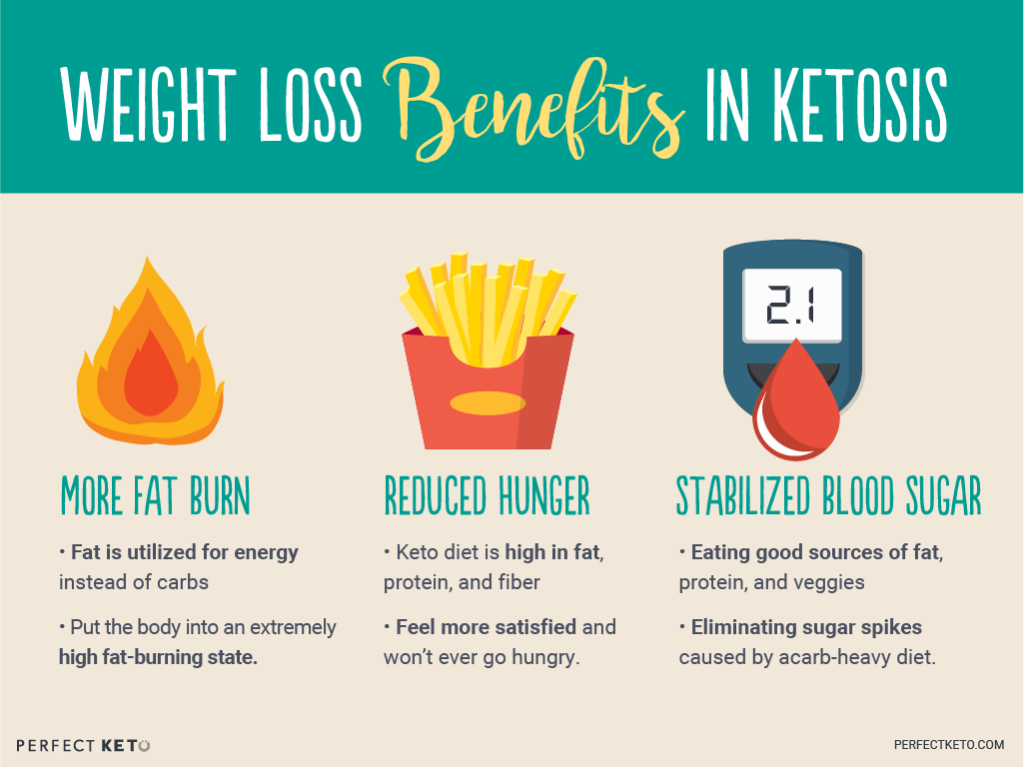 Intermittent fasting is a popular eating pattern that involves cycling between periods of fasting and eating. It has gained significant attention in recent years due to its potential health benefits, including weight loss, improved insulin sensitivity, and increased longevity.
Intermittent fasting can be combined with a ketogenic diet to enhance its benefits and accelerate the process of ketosis. Let’s take a closer look at how these two strategies work together to promote optimal health and weight management.
The Ketogenic Diet: A Quick Overview
A ketogenic diet is a low-carb, high-fat eating plan that triggers a metabolic state called ketosis. In ketosis, your body switches from using glucose (from carbohydrates) as its primary fuel source to burning fat for energy. This shift in fuel source has numerous health benefits, including weight loss, increased energy levels, and improved cognitive function.
 When following a ketogenic diet, your carbohydrate intake is typically limited to approximately 20-50 grams per day, depending on your individual needs and goals. This restriction forces your body to break down stored fat into ketones, which are then used as fuel for the body and brain.
How Intermittent Fasting Complements a Ketogenic Diet
Intermittent fasting works synergistically with a ketogenic diet by further promoting fat burning and ketosis. When you fast, your body exhausts its glycogen stores and transitions into a fat-burning state. By combining fasting with a ketogenic diet, you can maximize the benefits of both strategies.
During the fasting period, your insulin levels decrease, allowing your body to access stored fat for fuel. This contributes to accelerated fat loss and promotes ketone production. Additionally, intermittent fasting can help regulate appetite and reduce cravings, making it easier to adhere to a ketogenic diet.
The Different Intermittent Fasting Protocols
There are several intermittent fasting protocols that you can choose from, depending on your lifestyle and preferences. The most common methods include:
- 16/8 Intermittent Fasting: This involves fasting for 16 hours each day and restricting eating to an 8-hour window. For example, you may skip breakfast and have your first meal at noon, then finish eating by 8 pm.
- Alternate-Day Fasting: This method involves alternating between fasting days and regular eating days. On fasting days, you consume little to no calories, while on eating days, you can eat freely.
- 5:2 Intermittent Fasting: With this approach, you eat normally for five days of the week and restrict your calorie intake to around 500-600 calories for two non-consecutive days.
Final Thoughts
Combining intermittent fasting with a ketogenic diet can be a powerful strategy for optimizing health and achieving your weight loss goals. It is important to listen to your body and adjust these eating patterns to suit your needs and preferences. Before making any significant changes to your diet, consult with a healthcare professional or registered dietitian to ensure it aligns with your individual needs and health status.
If you are searching about Fasting Ketosis - Deepstash you’ve came to the right web. We have 5 Images about Fasting Ketosis - Deepstash like Keto Intermittent Fasting: How It Relates to a Keto Diet, Pin on Keto and also Fasting Ketosis - Deepstash. Here it is:
Fasting Ketosis - Deepstash
 deepstash.comfasting ketosis
Keto Intermittent Fasting: How It Relates To A Keto Diet
perfectketo.comketosis fasting ketogenic intermittent perfectketo ketone relates diabetics carbs consistently
How To Get Into Ketosis Fast! - Wholesome Inside
www.wholesomeinside.comketosis wholesomeinside humans
Pin On Keto
 www.pinterest.comketodietrule
Pin On Keto
 pl.pinterest.comketodietrule
Pin on keto. Ketosis wholesomeinside humans. Fasting ketosis